
Rissani Morocco: Where Is This Sahara Gateway?
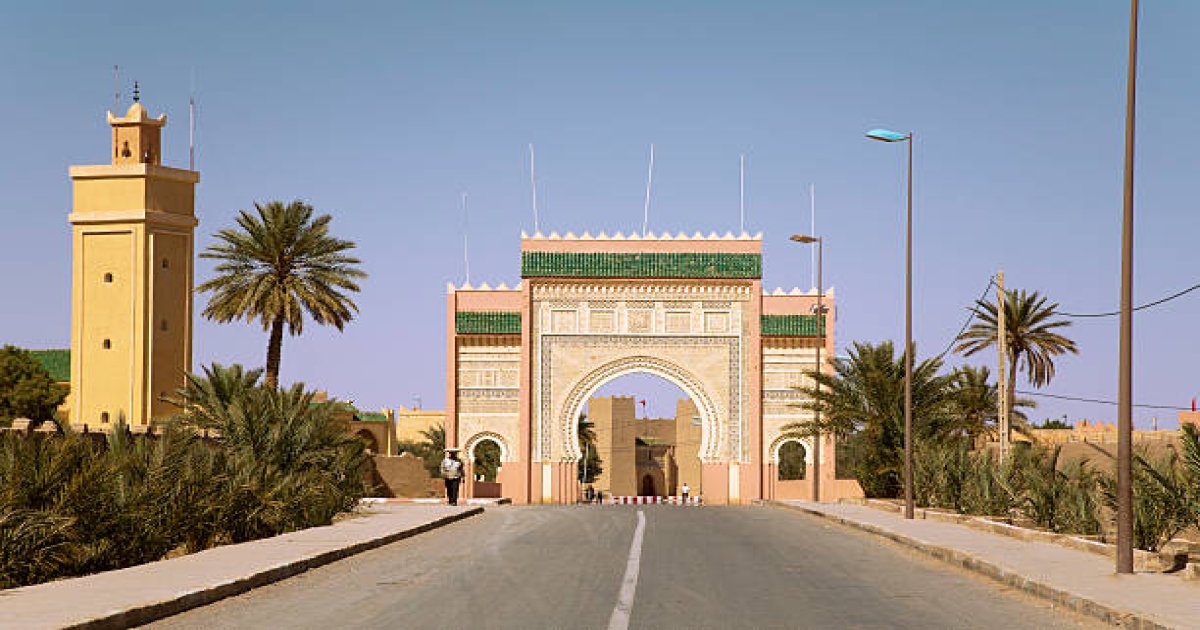
Rissani lies in the Tafilalt region, within the wider Drâa-Tafilalet area. It is a practical stop on journeys toward Erg Chebbi. The modern town should not be confused with nearby Sijilmasa, a historic trading city. Rissani has working neighborhoods, markets and services, so approach it as a community rather than an open-air museum.

Understanding the Setting
Geographically, Rissani sits within the broad oasis region of Tafilalt rather than inside the giant sand dunes. The green belts of palms, dry stretches of land and clusters of settlements help explain why this corridor has long been important. This distinction is useful when you plan a trip: a town walk, oasis stop and dune excursion involve different environments and different expectations.
For most travelers, the most practical base will be Erfoud, Rissani itself or Merzouga. Rather than judging the visit only by the number of monuments, pay attention to the layers of everyday life. A small shop selling groceries, a local café and the movement of market shoppers show how the town functions independently of tourism. Respectful observation is one of the best reasons to stop here.
Why Rissani Matters
The Tafilalt oasis supported settlements and routes connecting the Sahara with other parts of Morocco. Rissani is associated with the origins of the Alaouite dynasty. Its cultural significance is visible not only in historic stories but also in local commerce and the rhythms of daily life. A knowledgeable local guide can explain these connections without making unsupported claims about individual buildings.
Trade, Heritage and a Living Town
Historically, the Tafilalt area was connected to networks that carried commodities and ideas across northern Africa and the Sahara. The nearby Sijilmasa area is especially important to that story. At the same time, modern Rissani should not be presented as if every building dates to the medieval period. The current town has changed with generations of settlement, commerce and transportation.
Rissani Morocco Souk: Market Days and What to Expect
EDITOR NOTE: Insert an authentic Rissani souk photo here using WordPress Add Media. Suggested ALT: Rissani Morocco traditional souk with local market stalls. Delete this note before publishing.
The market is a highlight for many visitors. You may see produce, household goods, textiles and other items serving local customers. Activity varies according to the day, so ask about the current market schedule before traveling. Keep pathways clear, request permission before photographing merchants and respect the fact that the souk is a workplace. If you want to buy something, confirm the price and quantity first. The main traditional market days are Tuesday, Thursday and Sunday, according to the regional tourism guide; mornings are often the busiest. Different sections may specialize in food, everyday goods and livestock. Some stalls operate outside the main market days, but the atmosphere is not the same.
What to Look for Inside the Market
Begin with the produce areas if they are accessible. Dates, vegetables, spices and household supplies can tell you more about the region than a collection of tourist souvenirs. Look at how merchandise is arranged and how merchants work with returning customers. You may also encounter distinct sections for animals or other practical needs. Their activity depends on the day, and visitors should not interfere with trading or animal handling.
The souk is sometimes described as a ‘traditional’ market, but that does not mean it is frozen in the past. Motorcycles, modern packaging and everyday manufactured products exist alongside older routines. That mixture is part of the authentic experience. Travelers who expect a picturesque market without modern life may miss the point: Rissani is valuable precisely because it serves the people living nearby.
The best approach is to choose a manageable area and explore slowly. If you do not understand what is being sold, ask a willing merchant or local guide. Keep purchases optional and agree on prices clearly. If a section is congested, step aside instead of stopping in a narrow passage to record a video. A few thoughtful conversations can make the market more memorable than an hour of rushed pictures.
For updated background on the souk, see the Visit Drâa-Tafilalet guide to Rissani’s souk, which identifies the traditional Tuesday, Thursday and Sunday market days.
Try Regional Food
Food is another reason Rissani Morocco deserves more than a brief stop.
Ask a local restaurant about medfouna, a stuffed bread associated with the Tafilalt region. Recipes and availability differ. Check ingredients if you have dietary restrictions, and allow time for fresh preparation. A relaxed meal can be as memorable as sightseeing. Choose establishments that appear clean, treat staff courteously and do not assume that every kitchen offers a tourist demonstration.
Making a Meal Part of the Experience
Medfouna is often described in travel writing as ‘Berber pizza’, but that nickname cannot explain the preparation or local associations of a filled bread. Depending on the cook, the filling and seasoning may vary. Ask what the kitchen makes rather than insisting on one supposedly definitive recipe. A freshly prepared dish may require waiting, so build a relaxed meal into your schedule instead of treating it as fast food.
If you have allergies, vegetarian preferences or other dietary requirements, explain them before ordering and verify ingredients as carefully as you would elsewhere. Drinking water and a comfortable place to rest become especially important during hot weather. Buying a simple meal or refreshments at a local establishment is also a straightforward way to contribute to the town without feeling obligated to buy souvenirs.
Understand the Connection to Sijilmasa
The medieval city of Sijilmasa developed near present-day Rissani and played a significant role in trans-Saharan trade. Its history is complex, involving changing political powers and commercial networks. The surviving archaeological landscape may not resemble a restored monument. If heritage is your main interest, arrange an informed visit and follow any access restrictions. Do not remove stones or objects from historic areas.
Why the Distinction Matters
Sijilmasa was an important medieval settlement in the region and is frequently discussed in histories of trans-Saharan exchange. What you can see today is not equivalent to a fully reconstructed city. Archaeological evidence, historical writing and local interpretation all contribute to understanding the site. If ruins are included in your excursion, ask the guide to explain what is documented and which details are uncertain.
Avoid repeating simplified claims that every caravan used one route or that a particular visible wall belongs to a specific century without evidence. Trade routes shifted over time, and the relationships linking oases were complex. Visitors interested in this subject may enjoy a dedicated historical excursion instead of combining it with an already crowded market visit. A focused guide can discuss the relationship between landscape, water and settlement more clearly.
For additional regional historical context, the Visit Tafilalet overview of Sijilmasa introduces the area and its historical connections.
Explore the Oasis Setting
Rissani belongs to a broader environment shaped by water, palm cultivation and settlement. From suitable public roads or viewpoints, observe how green areas contrast with the surrounding dry landscape. Agricultural plots and irrigation systems are working infrastructure. Stay on permitted paths, avoid picking fruit and never enter private gardens without permission.
Why the Palm Groves Matter
An oasis is not simply a green patch in an otherwise dry landscape. It is also an agricultural system supported by water management and sustained labor. Palm trees can provide valuable shade and structure for cultivation, while other plots may support crops depending on the season and local conditions. The appearance of the land reflects ongoing work by farmers and families, not only natural scenery.
During a visit, you may see irrigation channels, field boundaries and routes used by residents. Do not cross them as shortcuts or open gates for a photograph. Ask a guide whether there is a designated public viewpoint where you can appreciate the landscape without disturbing cultivation. Where access is unclear, staying on public roads is the better choice.
Best Time to Visit
Planning Rissani Morocco around the souk calendar helps make the visit more rewarding.
Spring and autumn are often comfortable for outdoor sightseeing, although conditions vary. Summer afternoons can be extremely hot and winter evenings chilly. Carry water, sun protection and comfortable shoes. For photography, morning or late afternoon may offer softer light. Prioritize your comfort and the market schedule over a rigid timetable.
Seasonal Planning Details
If you are visiting in summer, plan the most exposed walking during the cooler part of the day where possible. The region can experience strong heat, and a busy market can feel warmer than an open viewpoint. In winter, a morning arrival may call for an extra layer before temperatures rise. Wind and dust can also affect visibility and comfort, particularly on more exposed roads.
The right date for a visit may depend more on your interests than on the season alone. Market enthusiasts should choose a main souk day. Travelers mainly interested in heritage may prefer a calmer day with a knowledgeable guide. Photographers might aim for gentle light, while families may want a shorter visit with a planned meal and access to restrooms. A flexible plan works best.
Getting There
Rissani can be included in a road trip from Erfoud or Merzouga. Confirm current transport arrangements and travel times locally. If using a private driver, agree on the meeting point, market stop and duration before departure. Public transport options may change, so check return connections in advance. A map pin does not necessarily identify convenient parking or a suitable walking entrance.
Organizing a Practical Arrival
Before departing, agree on exactly where the driver will leave you and where you will meet afterward. Busy trading areas may not be convenient pickup points. Save the contact details of your accommodation or guide and ensure your phone has enough battery. When traveling independently, identify the return option before you begin exploring; services and schedules can be less predictable than those in larger cities.
It is easy to combine a stop in Rissani with travel to Merzouga, but the order matters. If your priority is a lively market, consider visiting in the morning before continuing toward the dunes. If you are coming from a long driving day, a short rest and meal might be a better use of time. Avoid promising yourself a fixed number of attractions without accounting for transport and heat.
A Flexible Half-Day Itinerary
A half-day in Rissani Morocco can balance markets, heritage and food.
Start with a market visit if it is active. Continue with a short walk through accessible town areas and pause for tea or a local meal. If time and access permit, include a heritage-focused stop connected to Sijilmasa. Finish by returning to your accommodation or continuing toward Merzouga. Adjust the plan for heat, crowds and your interests rather than trying to visit every place on a checklist.
An Alternative Full-Day Cultural Plan
Travelers with more time can use the morning for the souk, pause for an unhurried lunch and reserve the afternoon for a carefully arranged historical explanation of Sijilmasa or accessible views of the surrounding oasis. This longer option is particularly useful for travelers who want to ask questions or spend time photographing architectural details rather than moving quickly between stops.
Families can simplify the day further by selecting just the market and one meal. Children may enjoy discussing where food comes from, how a market works and why oasis settlements developed in the region. Keep children close in busy areas and avoid crowded livestock sections unless everyone is comfortable and conditions are appropriate. The goal is curiosity, not endurance.
Responsible Travel Tips
Responsible tourism in Rissani Morocco begins with respecting local routines.
Ask before taking portraits, avoid photographing children without permission and respect private or religious spaces. Agree on guiding costs beforehand. Keep valuables secure in busy areas. Do not assume every historic structure is safe to enter. Supporting local businesses can be rewarding when purchases are voluntary and prices are transparent.
How to Be a Welcome Visitor
Simple manners matter. Greet people politely, ask before taking portraits and respect anyone who declines a photograph. A seller’s permission to photograph a stall does not automatically include permission to photograph customers or children. In a busy market, use a small bag, keep your hands free and watch for carts or motorcycles passing through narrow areas.
You may meet people offering directions or guiding services. If you want help, agree on the service and price before you start. Declining politely is appropriate when you prefer to explore independently. Avoid entering places that appear abandoned or historically interesting without confirming access. Many buildings are private, fragile or used by local communities, even if they look like landmarks in a travel photograph.
Rissani Morocco and Nearby Sahara Destinations
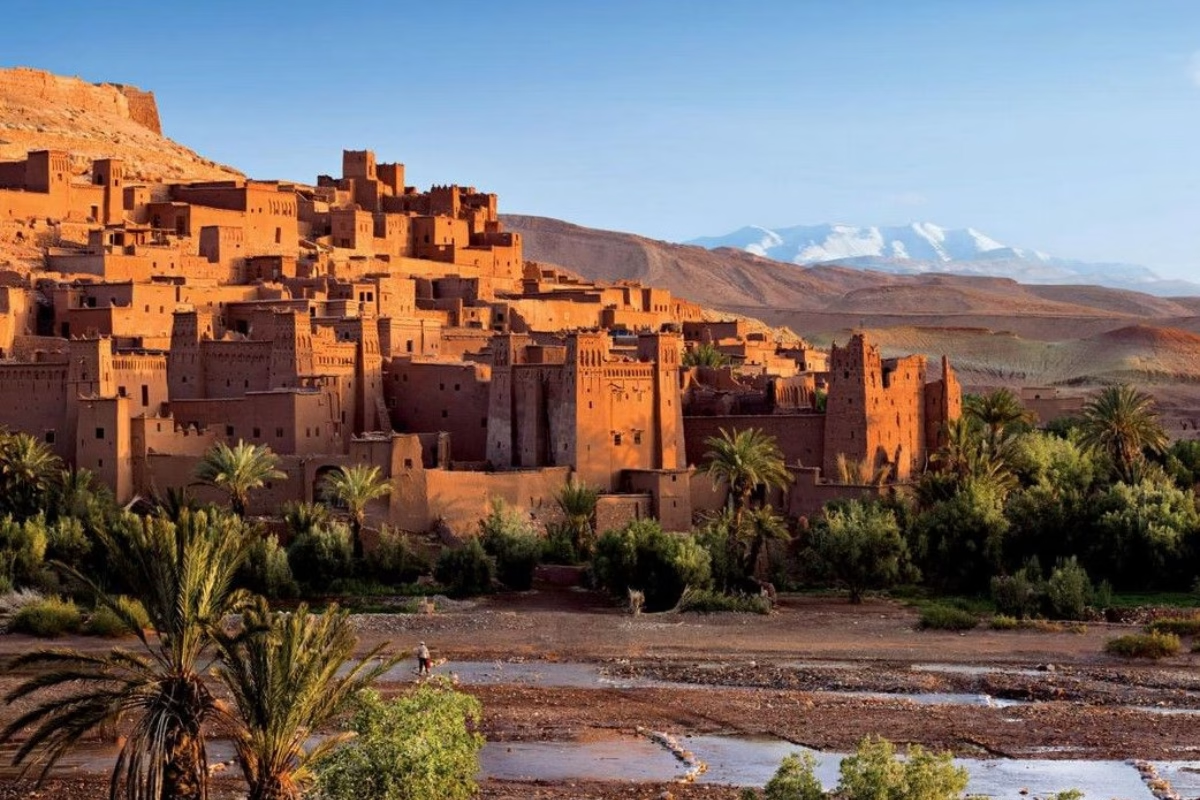
Erfoud offers fossil-related workshops, while Merzouga is famous for the Erg Chebbi dunes. The Ziz Valley adds palm-grove scenery. These destinations complement Rissani rather than replace it. If you have limited time, choose a small number of meaningful stops and leave space for conversations, meals and unexpected discoveries.
Designing a Route with Different Experiences
A desert itinerary becomes richer when each stop has a distinct purpose. In Rissani, focus on the traditional market and Tafilalt culture. In Erfoud, the emphasis can shift to geology and local fossil-stone craftsmanship. Near Merzouga, dune landscapes take center stage. Birdwatchers may also consider seasonal sites near Merzouga, while remembering that water and wildlife sightings depend on current conditions.
Choose an itinerary based on how much time you really have. A half-day in Rissani can be satisfying without adding every nearby destination. Conversely, if you have two or more days in the region, leave space for meals, conversations and changing conditions. A slower route allows the history and atmosphere of each place to remain distinct rather than blending into a long list of quick stops.
Continue your planning with our Erfoud fossils Morocco guide or explore a nature-focused alternative in the Dayet Srij Lake Merzouga guide.
Frequently Asked Questions
Is Rissani worth visiting?
Yes, especially for travelers interested in local markets, food and the history of Tafilalt.
Is Rissani the same as Sijilmasa?
No. Rissani is a modern town; Sijilmasa is a nearby historic trading-city site.
When is the market held?
The traditional large souk days are Tuesday, Thursday and Sunday, with mornings usually the liveliest. Confirm locally because holidays and conditions can change the schedule.
Can I visit from Merzouga?
Yes, it can be included in a planned road excursion.
What should I eat?
Ask about medfouna, a regional stuffed bread, and confirm availability.
Do I need a guide?
Not always, but a knowledgeable guide adds useful historical context.
How long should I stay?
A half-day works for many travelers; allow longer for heritage and food experiences.
Plan Your Visit
Rissani Morocco is best explored with realistic expectations, reliable local information and respect for the people and places you encounter. Choose a thoughtful itinerary with My Desert Tours and leave enough time for meaningful stops.