
Skoura Oasis Morocco: 9 Beautiful Experiences in the Palm Grove
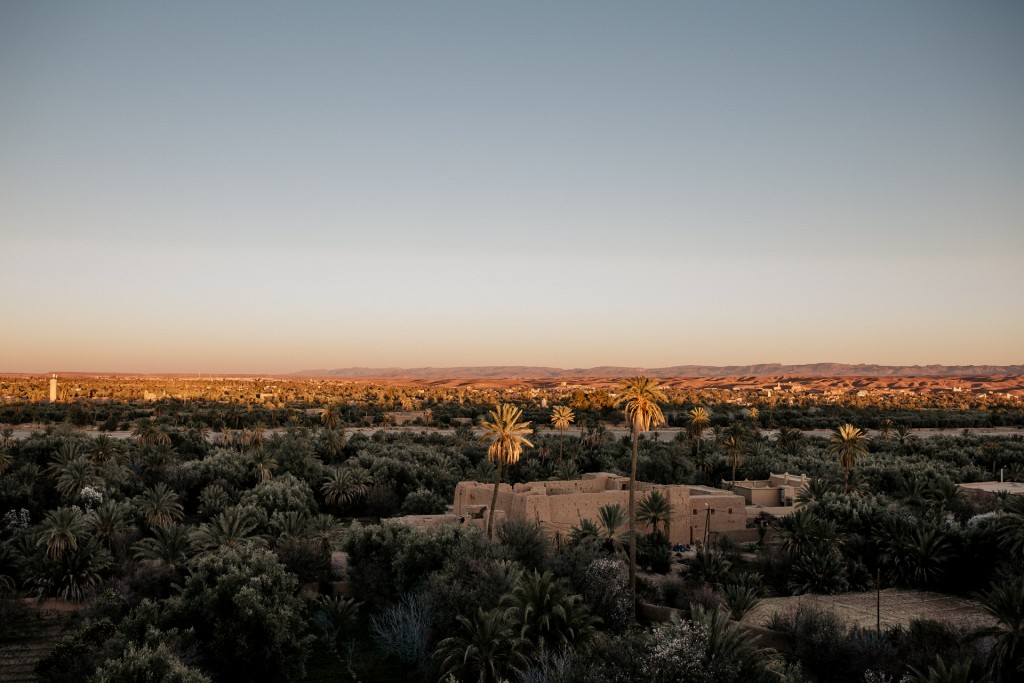
Between the landscapes of Ouarzazate and the route leading towards the Valley of Roses and the Dades region, Skoura Oasis Morocco offers a different kind of travel experience. Instead of wide desert dunes or busy city streets, visitors find a large palm grove, traditional earthen architecture, cultivated gardens and historic kasbahs surrounded by greenery.
Skoura is an excellent destination for travellers interested in Moroccan rural life, traditional architecture, photography and slower journeys through the south of the country. Its palm grove is not simply a scenic attraction. It is a living agricultural landscape where families cultivate land, maintain irrigation systems and preserve buildings that reflect generations of local history.
One of the best-known landmarks is Kasbah Amridil, but there is much more to discover beyond this famous building. Small roads cross the oasis, villages reveal everyday life, and the surrounding countryside provides opportunities for peaceful walks and cultural visits.
This guide explains what makes Skoura special, what to see, how to plan a visit and how to explore the oasis respectfully. Whether you are travelling from Ouarzazate, continuing towards the Dades Valley or looking for a quieter stop on a Morocco road trip, Skoura deserves a place on your itinerary.
Table of Contents
- 1. Where Is Skoura in Morocco?
- 2. Why Visit Skoura Oasis?
- 3. Discover Kasbah Amridil
- 4. Explore the Skoura Palm Grove
- 5. Discover Traditional Villages and Earthen Architecture
- 6. Understand Life in the Oasis
- 7. Enjoy Photography and Scenic Views
- 8. Visit Places Near Skoura
- 9. How to Plan Your Visit
- Frequently Asked Questions
1. Where Is Skoura in Morocco?
Skoura is located in the Drâa-Tafilalet region of southeastern Morocco, east of Ouarzazate. It sits along the road connecting Ouarzazate with destinations such as the Valley of Roses, Boumalne Dadès and the wider Dadès Valley. This location makes it a convenient stop for travellers exploring the southern part of the country by car or on an organised tour.
The destination is best known for its extensive palm grove, often called the Skoura Oasis. The green landscape stands out against the dry surroundings and creates a striking contrast between cultivated land and the semi-arid environment.
Skoura is not one isolated monument. It is a collection of settlements, agricultural plots, palm trees, traditional houses and historic kasbahs spread across an oasis landscape. Visitors should therefore allow time to explore more than one viewpoint or landmark.
Travellers arriving from Ouarzazate can visit Skoura as a day trip. Those continuing east towards the Valley of Roses or the Dades region can also stop for several hours or spend a night in the area. The best choice depends on travel pace and interest in local culture.
2. Why Visit Skoura Oasis?
Skoura offers a combination of nature, architecture and local heritage that is difficult to experience in the same way in Morocco’s larger cities. Its appeal comes from the relationship between the palm grove and the communities that live within it.
The oasis is particularly interesting for visitors who want to understand how settlements developed in dry environments. Palm trees provide shade, while gardens and agricultural plots support local production. Traditional earthen buildings reflect the materials and architectural knowledge available in the region.
Another reason to visit is the atmosphere. Skoura is generally a slower destination than major tourist centres. Instead of planning a packed schedule, visitors can take time to walk, observe the landscape and learn about the area’s history.
Skoura is also well positioned for a wider southern Morocco itinerary. It can be combined with Ouarzazate, the Valley of Roses, Boumalne Dadès and other destinations along the road towards the eastern valleys.
3. Discover Kasbah Amridil
Kasbah Amridil is one of the most recognised historic buildings in Skoura and a major reason many travellers include the oasis in their itinerary. Its traditional earthen construction, towers and decorative details make it an important example of the region’s architectural heritage.
The kasbah stands within the palm-grove landscape, surrounded by cultivated land and greenery. This setting helps visitors understand that historic buildings in the oasis were not separate attractions. They formed part of a wider settlement and agricultural environment.
Inside, visitors may learn about traditional domestic spaces, the organisation of a fortified residence and the practical functions of different rooms. The building’s design reflects a period when architecture had to respond to local climate, available materials and the needs of family and community life.
Allow enough time to appreciate the exterior as well as the interior. The towers, earthen walls and surrounding palm trees create excellent opportunities for photography, particularly when the light is softer in the morning or late afternoon.
Before visiting, check current opening arrangements and access conditions. Opening hours, visitor access and any guided-visit options can change. It is also important to follow local instructions and avoid entering areas that are closed to visitors.
4. Explore the Skoura Palm Grove
The palm grove is the heart of the Skoura experience. It is a cultivated landscape rather than a simple park, with palm trees, gardens, paths and settlements connected through a network of local routes.
Walking through parts of the oasis can be one of the most rewarding activities in the area. Visitors can observe how the landscape changes from open roads to shaded paths and agricultural plots. Depending on the season, cultivated areas may display different crops and colours.
A local guide can make the experience more informative. Someone familiar with the oasis can explain how people use the land, identify traditional buildings and describe the relationship between water, agriculture and settlement patterns.
Do not assume that every path is a public walking route. Some tracks cross private property or cultivated land. Ask before entering, stay on appropriate paths and avoid damaging crops or irrigation channels.
For a relaxed visit, choose a short walk rather than trying to cover the entire palm grove. The aim is to appreciate the environment and understand its character, not to rush through as many locations as possible.

5. Discover Traditional Villages and Earthen Architecture
Beyond Kasbah Amridil, Skoura contains traditional buildings and village settings that reveal the architectural character of the oasis. Many structures use earth-based construction, a technique adapted to the materials and climate of southern Morocco.
Earthen architecture can include thick walls, towers, small openings and decorative patterns. These features are not only visual details. They are connected to practical needs such as shade, privacy, protection and temperature regulation.
Some kasbahs and historic houses remain privately owned, while others may be accessible through a local visit or cultural programme. Their condition and access arrangements vary. A building that looks interesting from the road should not automatically be treated as an open tourist site.
When exploring villages, remember that the oasis is a lived-in place. Residents may be working, hosting family members or carrying out everyday activities. Visitors should ask permission before photographing people or private homes.
Taking time to observe the architecture from public paths can be just as rewarding as entering a historic building. The relationship between houses, palm trees and cultivated land is an important part of what makes Skoura distinctive.
6. Understand Life in the Oasis
Skoura’s identity is closely connected to agriculture. The palm grove supports cultivated plots and provides a green environment in an otherwise dry region. This relationship between water, land and settlement has shaped local life for generations.
During a visit, you may see gardens, fruit trees, fields and traditional agricultural spaces. The exact crops and activities visible depend on the season. A guide or local host can explain what is being cultivated and how agricultural work changes throughout the year.
Water management is especially important in oasis environments. Irrigation systems help distribute limited water resources to cultivated land. These systems require maintenance and cooperation, making them an essential part of the landscape’s social and economic life.
Visitors should treat agricultural areas with care. Do not walk through planted fields, interfere with irrigation channels or take fruit and plants without permission. If you are interested in local produce, ask whether there are opportunities to buy directly from a producer or nearby shop.
Understanding agriculture adds depth to a visit. Rather than seeing the palm grove only as a beautiful background, travellers can recognise it as a working environment that supports local communities.
7. Enjoy Photography and Scenic Views
Skoura is a rewarding destination for photography because it combines natural scenery with historic architecture. Palm trees create layers of green, while earthen kasbahs add warm tones and strong geometric shapes.
Kasbah Amridil is one of the most recognisable photographic subjects, but the wider oasis offers many other compositions. Look for contrasts between palm leaves and earthen walls, pathways framed by trees, and distant views across cultivated land.
Morning and late afternoon often provide softer natural light than the middle of the day. These periods can be more comfortable for walking as well. However, the best conditions depend on the season and weather.
Photography should always be respectful. Ask permission before taking close-up photographs of residents, workers or private properties. Avoid photographing children without the permission of a parent or guardian, and follow any restrictions inside historic buildings.
Instead of trying to photograph everything quickly, spend time in a few locations. A slower approach often produces better images and allows you to notice details that might otherwise be missed.
8. Visit Places Near Skoura
Skoura works well as part of a wider journey through the Ouarzazate region. Several destinations can be combined with a visit, depending on how much time you have.
Ouarzazate
Ouarzazate is a natural starting point for many trips to Skoura. Travellers can explore the town before continuing east towards the oasis. It is also a useful base for arranging transport and planning visits to nearby attractions.
Valley of Roses
The Valley of Roses, particularly the area around Kelaat M’Gouna, is known for its damask rose cultivation and related products. The landscape includes villages, gardens and agricultural areas. The rose harvest is seasonal, so visitors interested in seeing this activity should check the timing before travelling.
Boumalne Dadès and the Dadès Valley
Further east, Boumalne Dadès provides access to the dramatic landscapes of the Dadès Valley. The region is known for mountain scenery, valleys and winding roads. It can be a natural continuation for travellers heading towards the eastern part of southern Morocco.
Other Oases and Kasbahs
The wider region contains additional oasis settlements and historic earthen architecture. Rather than trying to visit every site in one day, choose stops that fit your route and allow enough time for each visit.
9. How to Plan Your Visit to Skoura
How Much Time Should You Spend?
A few hours may be enough to visit Kasbah Amridil and enjoy a short walk in the palm grove. However, travellers interested in architecture, photography and local culture may prefer to spend most of a day in the area or stay overnight.
How to Get There
Skoura is reached by road from Ouarzazate and lies along the route towards the Valley of Roses and the Dadès region. A private car offers flexibility, while organised tours can simplify transport and local visits. If you are relying on public transport, confirm the available connections and local onward transport before departure.
When to Visit
Spring and autumn can offer comfortable conditions for exploring the oasis, although the weather changes from year to year. Summer can be very hot, so plan outdoor activities for cooler parts of the day and carry sufficient drinking water. Winter may bring cooler temperatures, especially in the morning and evening.
What to Bring
- Comfortable walking shoes suitable for uneven paths.
- Drinking water, especially during warm weather.
- Sun protection such as a hat, sunglasses and sunscreen.
- A camera or phone for landscape photography.
- Some cash for small purchases where card payment may not be available.
Responsible Travel Tips
Skoura is a living oasis, so responsible behaviour matters. Respect private property, ask before photographing residents, avoid damaging crops and follow local guidance when visiting historic buildings. Consider hiring a local guide or buying from local businesses when suitable opportunities are available.
It is also worth remembering that not every kasbah is maintained as a visitor attraction. Some buildings are privately owned or in need of conservation. Do not enter unstable structures or restricted areas simply because they appear accessible.
Frequently Asked Questions About Skoura Oasis Morocco
Is Skoura worth visiting in Morocco?
Yes. Skoura is worth visiting if you are interested in palm-grove landscapes, traditional earthen architecture, historic kasbahs and rural Moroccan life. It offers a quieter experience than many major tourist destinations.
What is Skoura famous for?
Skoura is best known for its extensive palm grove and traditional kasbahs, especially Kasbah Amridil. Its combination of cultivated land, historic buildings and oasis scenery makes it an important stop near Ouarzazate.
Where is Skoura located?
Skoura is in southeastern Morocco, east of Ouarzazate, in the Drâa-Tafilalet region. It lies on the road towards the Valley of Roses and the Dadès region.
Can I visit Skoura as a day trip from Ouarzazate?
Yes. Skoura can be visited as a day trip from Ouarzazate. A short visit can include Kasbah Amridil and part of the palm grove, while a longer stay allows more time for walking and cultural exploration.
Is Kasbah Amridil open to visitors?
Kasbah Amridil is a recognised visitor attraction, but opening arrangements and access conditions can change. Check locally before your visit and follow the instructions provided at the site.
Can I walk through the Skoura Palm Grove?
Visitors can explore suitable paths in the palm grove, but some routes cross private or cultivated land. Ask for local guidance, stay on appropriate paths and respect residents and agricultural areas.
What is the best time to visit Skoura?
Spring and autumn are often comfortable periods for outdoor exploration. Summer can be very hot, so visitors should plan walks for the morning or late afternoon and carry enough water.
Can I combine Skoura with the Valley of Roses?
Yes. Skoura and the Valley of Roses are located along the same broader travel corridor east of Ouarzazate. They can be combined in a road trip, depending on your schedule and the time you want to spend at each destination.
How many days do I need in Skoura?
A few hours can cover the main highlights, but a full day or overnight stay is better for travellers who want to explore the palm grove, visit historic architecture and enjoy a slower pace.
Final Thoughts
Skoura Oasis Morocco is a destination for travellers who want to discover the cultural and agricultural landscapes of southern Morocco. Its palm grove, historic kasbahs and traditional villages offer a perspective that goes beyond the country’s better-known desert and city experiences.
Kasbah Amridil is an excellent starting point, but the wider oasis is what gives Skoura its character. Take time to walk respectfully, learn about local agriculture and appreciate the relationship between architecture and the surrounding environment.
Whether you visit for a few hours from Ouarzazate or include Skoura in a longer journey towards the Valley of Roses and the Dadès region, this oasis offers a memorable opportunity to experience a quieter side of Morocco.