Erfoud Fossils Morocco: Complete Travel & Fossil Guide
Erfoud fossils Morocco offers one of the most fascinating experiences in southeastern Morocco. While many travelers head straight toward the golden dunes of Merzouga, the small desert town of Erfoud reveals a different side of the Sahara: an ancient world preserved in stone.
Inside local fossil workshops, visitors can discover polished ammonites, long-shelled marine creatures, fossil-bearing limestone, and decorative objects crafted from rocks containing prehistoric remains. These remarkable pieces tell a story of changing seas, ancient environments, and the geological history of North Africa.
Whether you love natural history, enjoy discovering traditional craftsmanship, or simply want an unusual stop on your Morocco desert tour, Erfoud deserves a place on your itinerary.
This complete guide explains what makes the area special, which fossils you may encounter, how to visit local workshops, what to know before buying souvenirs, and how to combine Erfoud with nearby destinations.
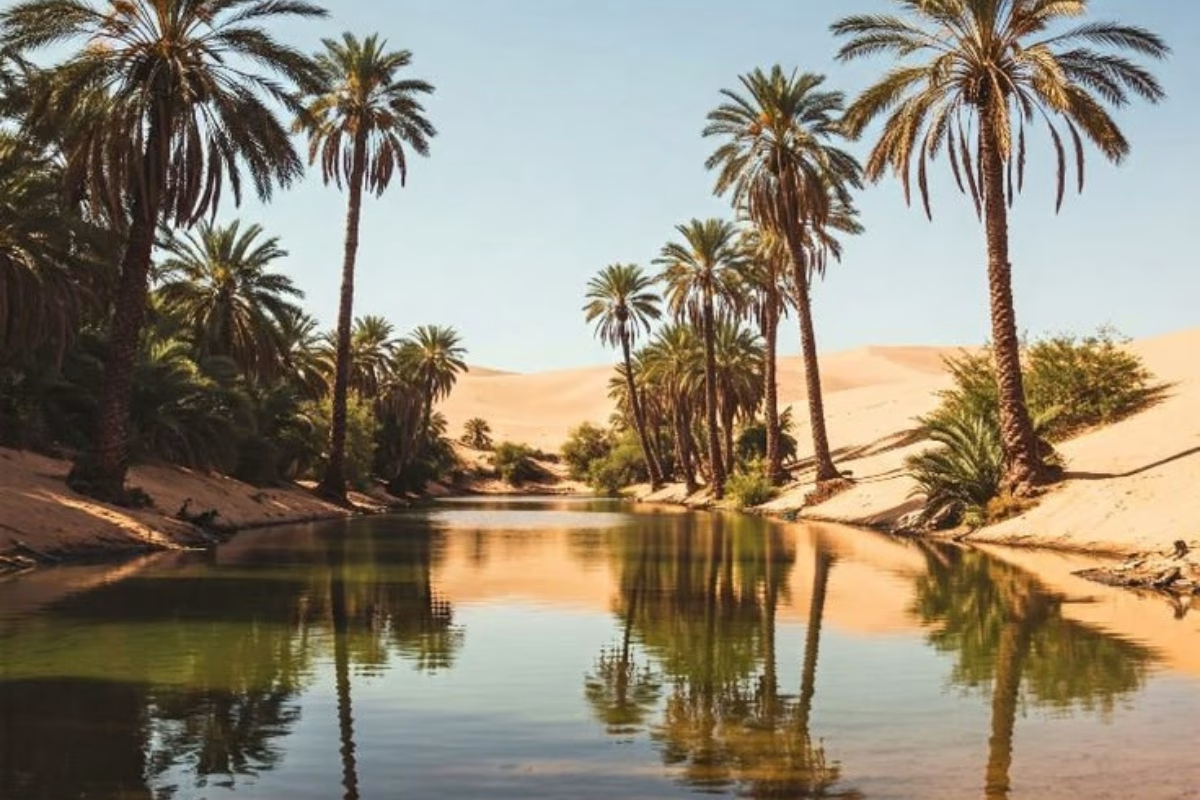
Table of Contents
- What Makes Erfoud Famous for Fossils?
- The Geological History of Erfoud
- Nine Things to Know About Erfoud Fossils
- Visiting Fossil Workshops in Erfoud
- How to Recognize and Buy Fossils Responsibly
- Best Time to Visit Erfoud
- How to Get to Erfoud
- Nearby Attractions and Desert Experiences
- Suggested One-Day Erfoud Itinerary
- Practical Travel Tips
- Frequently Asked Questions
- Final Thoughts
1. What Makes Erfoud Famous for Fossils?
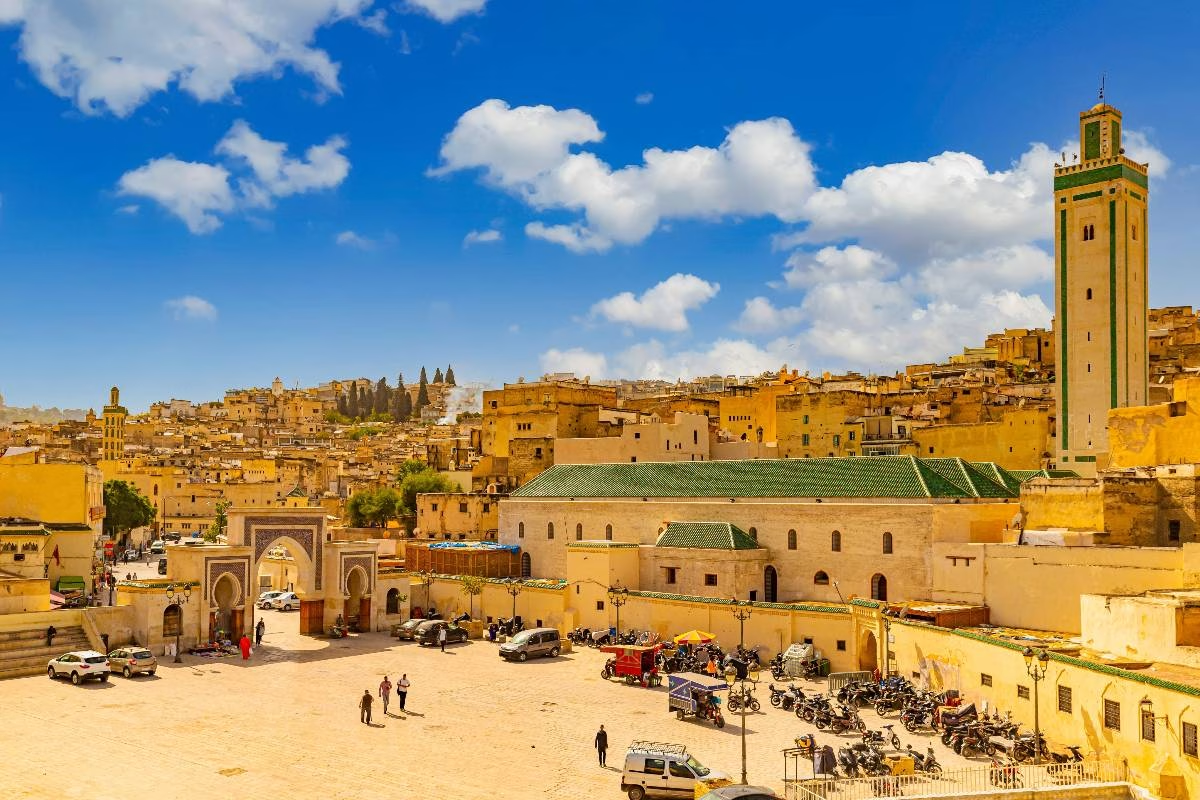
Erfoud is a town in southeastern Morocco, located between the Ziz Valley, Rissani, and the desert landscapes leading toward Merzouga.
The region is internationally associated with fossil-bearing rocks, especially ancient marine fossils preserved in limestone. Local workshops have developed a distinctive craft industry that transforms fossil-rich stone into polished slabs, decorative objects, tables, sinks, and souvenirs.
What makes the experience memorable is the contrast between the present-day desert and the ancient marine environments represented by the fossils.
Visitors often discover that some of the creatures preserved in these stones lived hundreds of millions of years ago, long before the modern Sahara landscape existed.
Erfoud is therefore more than a convenient stop on the road to Merzouga. It is an opportunity to explore natural history while meeting artisans whose work combines geology, stone cutting, polishing, and design.
2. The Geological History of Erfoud
To understand Erfoud fossils Morocco, it helps to imagine North Africa long before today’s desert scenery developed.
During different periods of the Paleozoic Era, parts of the region were covered by marine environments. Sediments accumulated, and some marine organisms became buried within layers that eventually hardened into rock.
Over geological time, changes in sea level, tectonic activity, erosion, and the uplift of surrounding landscapes exposed fossil-bearing formations.
The fossils found in the wider southeastern Moroccan region represent different geological periods and environments. Their ages vary depending on the rock formation and fossil species.
Some ammonites, for example, come from Mesozoic rocks, while many trilobites and orthocone cephalopods associated with Morocco are found in older Paleozoic formations.
This distinction matters because not every fossil sold in Erfoud was necessarily collected immediately outside the town.
Erfoud is both a fossil-tourism destination and a commercial center for fossils and fossil-bearing stone sourced from different parts of Morocco.
Why Are Marine Fossils Found in the Desert?
The explanation is geological change.
Landscapes are not permanent. Areas that are deserts today may have experienced shallow seas, coastal environments, rivers, or other conditions millions of years ago.
Marine organisms became preserved in sedimentary rocks, and those rocks later became exposed on dry land.
Finding marine fossils in the Sahara is therefore evidence of ancient environments rather than proof that the modern desert was recently underwater.
3. Nine Things to Know About Erfoud Fossils
1. Ammonites Are Among the Most Recognizable Fossils
Ammonites are extinct marine mollusks known for their spiral shells.
Their beautiful coiled shapes make them especially popular with collectors and travelers.
In fossil shops, you may see ammonites displayed individually, embedded in polished stone, or incorporated into decorative pieces.
Some examples preserve visible shell chambers and intricate patterns.
Although ammonites are widely associated with Morocco, specimens differ considerably in age, preservation, and origin.
Ask sellers about the fossil’s source and avoid assuming that every polished spiral was collected near Erfoud.
2. Trilobites Reveal an Older Prehistoric World
Trilobites were marine arthropods that lived during the Paleozoic Era.
Their segmented bodies and distinctive shapes make them some of the most recognizable fossils in the world.
Morocco is famous for its diverse trilobite fossils, particularly those from formations outside Erfoud.
You may encounter trilobites in local fossil shops, but their appearance in an Erfoud showroom does not establish their precise collecting location.
Some commercial specimens have been repaired, reconstructed, or altered. Detailed examples can also be expensive.
For travelers interested in purchasing one, clear provenance and honest disclosure of restoration are more valuable than dramatic presentation.
3. Orthocone Fossils Appear in Polished Stone
Many polished fossil slabs sold in southeastern Morocco contain straight, elongated shells commonly marketed as “Orthoceras.”
The name is frequently used in the decorative stone trade, although not every straight-shelled fossil necessarily belongs to the genus Orthoceras.
These fossils represent ancient cephalopods with chambered shells.
Their long shapes create striking patterns when embedded in dark limestone.
Visitors often see them in tables, bowls, wall decorations, and polished display pieces.
The contrast between pale fossils and darker surrounding rock makes these objects particularly distinctive.
4. Fossil Marble Is a Popular Local Craft
One of the most interesting aspects of Erfoud fossils Morocco is the local fossil-stone industry.
Travelers often hear the term “fossil marble” used for polished fossil-bearing stone.
In many cases, the material is fossiliferous limestone rather than marble in the strict geological sense.
Local artisans cut, shape, polish, and finish stone to reveal fossils inside it.
The resulting products can include tabletops, bathroom sinks, decorative spheres, plates, and small souvenirs.
These objects demonstrate how natural geological patterns can become part of functional design.
5. Fossil Workshops Offer an Educational Experience
A workshop visit can be one of the highlights of an Erfoud excursion.
Depending on the business and what is operating that day, visitors may see stone cutting, shaping, polishing, or finished products on display.
Some workshops also explain how fossils formed and how particular stone varieties are prepared.
A good visit allows time to ask questions without feeling pressured to purchase.
If you are especially interested in geology, request an explanation of the fossil types, rock formations, and provenance rather than focusing only on souvenirs.
6. Not Every Fossil Is Completely Original
Fossil preparation sometimes involves cleaning, stabilizing, repairing, or reconstructing damaged specimens.
These practices are not automatically dishonest, provided they are clearly disclosed.
However, heavily restored specimens may be marketed without enough explanation.
Some decorative objects may also combine genuine fossils with added materials.
Before buying an expensive specimen, ask which parts are original and whether the seller can provide credible information about its origin.
For serious collecting, an independent specialist’s opinion may be worthwhile.
7. Fossil Prices Vary Considerably
There is no universal price for fossils in Erfoud.
Cost depends on factors such as fossil type, size, preservation, rarity, preparation quality, restoration, and the seller’s pricing.
Small decorative items may be relatively affordable, while carefully prepared or unusual specimens can cost much more.
A polished stone bowl and a scientifically significant fossil are different types of purchases.
Compare several items, ask questions, and decide whether you are buying a decorative souvenir or a collectible specimen.
Never assume a high price automatically means authenticity or rarity.
8. Fossil Tourism Connects Nature and Craftsmanship
Erfoud’s fossil trade offers a chance to appreciate both natural history and human skill.
A fossil may have formed over geological time, but revealing it within a polished surface requires contemporary craftsmanship.
Visitors can observe how artisans interpret the patterns within stone and turn them into finished objects.
Buying directly from a reputable local workshop may support local employment and traditional skills.
Choose businesses that explain their products clearly and treat workers and visitors respectfully.
9. Erfoud Is Easy to Combine with a Sahara Journey
One reason Erfoud fossils Morocco is attractive to travelers is its position along popular desert routes.
Visitors traveling toward Merzouga frequently pass through or near Erfoud.
A fossil workshop stop can add educational variety to a trip otherwise focused on dunes, camel experiences, and desert scenery.
It can also work well for families, especially when children are curious about prehistoric animals and natural history.
Allow enough time for a meaningful visit rather than treating the workshop as a compulsory shopping stop.
4. Visiting Fossil Workshops in Erfoud
Fossil workshops are among the main attractions for visitors interested in geology.
A typical visit may begin with an introduction to fossil-bearing stone and the types of marine organisms preserved inside it.
Where workshop access is permitted, you may observe artisans using specialized equipment to shape and polish stone.
Finished products are often displayed in adjoining showrooms.
What Should You Look For?
Choose a workshop that welcomes questions and explains where its materials come from.
Ask whether the tour includes a demonstration, how long it takes, and whether there is any admission or guiding charge.
Some workshops may offer informal visits connected to their sales areas.
Others may require prior arrangements.
Operating hours, demonstrations, and access can change, so confirm locally before planning your day around a particular workshop.
Visiting with Children
For families, the most engaging part is often seeing fossils inside ordinary-looking stone.
Explain that these shapes are remains or traces of organisms from ancient environments.
Encourage children to observe patterns and ask questions.
Keep a safe distance from cutting machines, moving equipment, dust-producing work, and restricted workshop areas.
Follow staff instructions and choose a supervised demonstration suitable for visitors.
5. How to Recognize and Buy Fossils Responsibly
Buying a fossil souvenir can be enjoyable, but it is worth approaching the process carefully.
Start by identifying what you want: a decorative object, a simple educational specimen, or a collectible fossil.
Ask the seller to explain the fossil type and, where possible, its geological origin.
Look for clear information about repairs and restoration.
For polished fossil stone, examine the finish and check for obvious cracks or damage.
For individual specimens, avoid assuming that exceptional detail always indicates a completely natural surface.
Request a receipt that describes the item accurately, especially for expensive purchases.
Import and export rules can depend on the fossil’s nature, provenance, cultural or scientific significance, and the countries involved. Do not assume every fossil can legally be removed from Morocco or imported into your home country.
Check current requirements with the relevant authorities before purchasing or transporting valuable specimens.
If provenance is unclear, consider choosing a different souvenir.
6. Best Time to Visit Erfoud
Erfoud has a hot, dry climate, and seasonal temperatures can strongly affect outdoor sightseeing.
Spring and autumn are often comfortable periods for exploring southeastern Morocco, although weather varies.
Summer can bring intense heat, particularly during the middle of the day.
Winter days may be pleasant, while mornings and evenings can feel cold.
Because many fossil experiences take place in workshops or showrooms, they can provide a useful indoor stop during a wider desert itinerary.
However, indoor spaces are not necessarily air-conditioned, and operating conditions vary.
Plan outdoor activities for suitable temperatures, carry drinking water, and check local forecasts.
7. How to Get to Erfoud
Erfoud is accessible by road and is commonly included in tours traveling between the Atlas Mountains and the Sahara.
From Merzouga
Erfoud lies northwest of Merzouga, making it a convenient addition to a desert excursion.
The journey usually passes through the wider Tafilalt region, with landscapes that include settlements, palm groves, and open desert terrain.
Travel times depend on the starting point, route, traffic, and stops.
From Errachidia
Errachidia is an important regional access point for visitors traveling toward Erfoud and Merzouga.
The route south offers opportunities to appreciate the changing landscapes of the Ziz Valley and surrounding areas.
From Marrakech or Fes
Many multi-day Morocco desert tours include Erfoud while traveling toward Erg Chebbi.
These routes cover substantial distances and are best planned with realistic travel days.
If fossils are a major interest, mention that when booking so enough time can be allocated to a workshop visit.
8. Nearby Attractions and Desert Experiences
Merzouga and Erg Chebbi
Merzouga is best known for the towering dunes of Erg Chebbi.
Travelers can enjoy desert viewpoints, guided experiences, and overnight stays in desert camps.
Combining Merzouga with Erfoud creates an itinerary that balances geology, landscape, and cultural experiences.
Rissani
Rissani is an important historic town in the Tafilalt region.
Its market traditions and local heritage make it an interesting stop when traveling through southeastern Morocco.
Market activity varies by day, so confirm local schedules before visiting.
Ziz Valley
The Ziz Valley is famous for its palm groves and striking scenery.
Viewpoints along the route offer opportunities to observe how cultivated landscapes contrast with surrounding rocky terrain.
A visit can add geographical context to the wider desert journey.
Khamlia Village
Near Merzouga, Khamlia is associated with local Gnawa musical traditions.
A respectful cultural visit can complement the geological focus of Erfoud.
Arrange visits with willing hosts, confirm any charges, and ask permission before photographing or recording performances.
9. Suggested One-Day Erfoud and Merzouga Itinerary
This flexible itinerary works best for travelers already staying in the Erfoud–Merzouga area.
Morning: Discover Erfoud’s Fossil Heritage
Begin with a prearranged visit to a reputable fossil workshop.
Learn about ammonites, trilobites, fossil-bearing limestone, and the stone-polishing process.
Allow time for questions and browsing without feeling obligated to buy.
Late Morning: Explore the Tafilalt Region
Continue toward Rissani or another suitable nearby stop.
Depending on the day, you might explore local market surroundings or enjoy a short cultural visit.
Afternoon: Travel Toward Merzouga
Head toward Merzouga and take time to appreciate the transition from towns and palm groves to open desert landscapes.
Choose an activity appropriate for the weather and your interests.
Evening: Experience Erg Chebbi
Finish with a comfortable dune viewpoint or an arranged desert experience.
Confirm sunset timing, transport, and return arrangements in advance.
This itinerary is a suggestion rather than a fixed schedule. Adjust it to local conditions and available activities.
10. Practical Travel Tips for Erfoud Fossil Visitors
A little preparation can make the experience more enjoyable.
Wear comfortable shoes, carry water, and protect yourself from the sun when moving between outdoor locations.
Bring a phone or camera for photographs, but ask permission before photographing workers or workshop interiors.
If you want to purchase a large stone object, discuss its weight, packaging, shipping arrangements, and total cost before paying.
Heavy decorative pieces can be difficult or expensive to transport.
For travelers who prefer not to shop, explain your interest in learning about fossils when arranging the visit.
A good guide should understand that a fossil workshop can be an educational stop rather than a shopping obligation.
If you are interested in collecting fossils directly from natural sites, seek appropriate permission and expert guidance. Avoid removing material from protected, restricted, or scientifically sensitive locations.
Finally, leave room in your itinerary for unexpected discoveries. A conversation with a knowledgeable artisan can be more memorable than rushing through several showrooms.
11. Frequently Asked Questions About Erfoud Fossils Morocco
Why is Erfoud famous for fossils?
Erfoud is known for its fossil-bearing stone industry and workshops that prepare, polish, and sell fossils and decorative objects. The wider region is associated with ancient marine fossil formations.
What fossils can you see in Erfoud?
Visitors may encounter ammonites, trilobites, straight-shelled cephalopods, and other marine fossils. Some specimens sold in town originate from other parts of Morocco.
Are the fossils in Erfoud real?
Many are genuine, but some specimens contain repairs, reconstruction, or decorative additions. Ask sellers about authenticity, provenance, and restoration before buying.
Can you visit a fossil workshop in Erfoud?
Yes, some workshops welcome visitors and may offer demonstrations or explanations. Confirm access, opening arrangements, and possible charges locally.
Is Erfoud worth visiting on a Morocco desert tour?
Yes, especially for travelers interested in natural history, craftsmanship, or unusual cultural experiences. It combines conveniently with visits to Merzouga and Rissani.
Can you take Moroccan fossils home?
Rules depend on the specimen and applicable Moroccan export regulations and destination-country import requirements. Check with relevant authorities rather than relying only on a seller’s assurance.
How much time should you spend in Erfoud?
A short workshop visit may fit into a wider journey, but travelers with a strong interest in fossils should allow more time for demonstrations, questions, and careful browsing.
What is the best time to visit Erfoud?
Spring and autumn often provide comfortable conditions for exploring the region. Workshop visits may be possible throughout the year, depending on local opening arrangements.
12. Final Thoughts: Discover the Ancient World of Erfoud
Erfoud fossils Morocco reveals a remarkable connection between the Sahara’s modern landscapes and the marine environments of the distant past.
From spiral ammonites and trilobites to polished fossil-bearing stone, the region offers a fascinating introduction to geology and local craftsmanship.
A thoughtful visit is about more than buying souvenirs. It is an opportunity to learn how fossils form, appreciate the work of local artisans, and understand the geological diversity of southeastern Morocco.
For travelers planning a desert adventure, combining Erfoud with Rissani, the Ziz Valley, and Merzouga creates a varied journey through history, culture, and natural landscapes.
Explore the Sahara with My Desert Tours and ask about including an Erfoud fossil workshop visit in your Morocco desert itinerary.